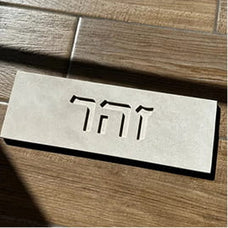
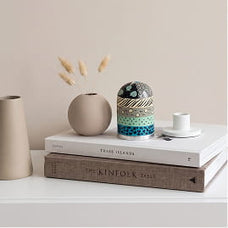
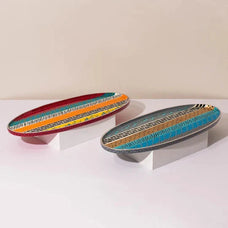
Some Judaica pieces are connected to a specific ritual.
A Kiddush cup is used during Kiddush.
A mezuzah is placed on a doorway.
A menorah comes out during Hanukkah.
A hamsa is different.
It becomes part of everyday life.
Displayed on a wall, placed on a shelf, or featured as a decorative centerpiece, a hamsa brings together beauty, symbolism, and personal meaning in a way few Judaica pieces can. It serves as a reminder of protection, blessing, positivity, and connection while adding character to the spaces where we spend our lives.
For generations, the hamsa has been one of the most recognized symbols in Jewish culture. Today, contemporary artists and designers continue to reinterpret this timeless symbol through modern materials, creative forms, and sophisticated craftsmanship that fit naturally into today's homes.
Why Hamsas Continue to Be So Popular
A Symbol That Speaks to Every Generation
Some traditions remain meaningful because they adapt.
The hamsa is one of those symbols.
For grandparents, it may represent heritage and protection.
For young families, it may symbolize the home they are building together.
For homeowners, it often becomes a meaningful design element that reflects both personal identity and Jewish tradition.
Its message is simple, universal, and timeless.
A wish for blessing.
A wish for protection.
A wish for positivity and peace.
More Than Decorative Wall Art
A beautiful hamsa certainly adds visual interest to a room.
But what makes it special is the meaning behind it.
Unlike generic wall décor, a hamsa carries a story.
It reflects culture.
It reflects values.
It reflects a connection to something larger than the object itself.
That deeper meaning is what keeps people returning to this symbol generation after generation.
Finding the Right Hamsa for Your Home
Modern Design for Contemporary Spaces
Today's Jewish homes are incredibly diverse.
Some embrace minimalist interiors.
Some are filled with color and creativity.
Some blend modern architecture with traditional elements.
A well designed hamsa can work beautifully in all of these environments.
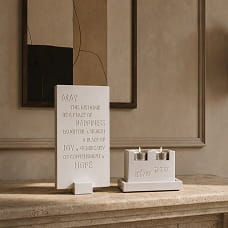
Contemporary concrete designs offer a clean architectural look that feels sophisticated and understated.
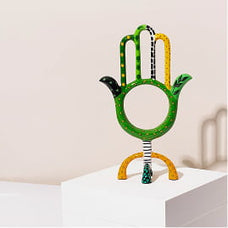
Colorful sculptural pieces bring energy, personality, and artistic expression into the space.
The best choice depends less on trends and more on what feels right in your home.
Wall Art or Sculptural Statement Piece?
Different styles create different experiences.
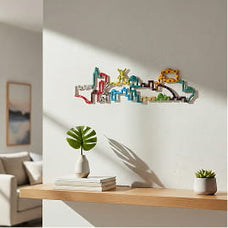
Wall mounted hamsas often become part of the visual story of a room, creating meaningful focal points in entryways, living spaces, hallways, or offices.
Freestanding hamsas offer something different.
They become decorative objects that can be displayed on shelves, consoles, desks, and bookcases, bringing symbolism and artistry into everyday spaces.
Both approaches allow the hamsa to remain visible and meaningful without feeling overly formal.
Creating a Home Filled with Meaning
The Small Details Often Matter Most
People often focus on major design decisions when decorating a home.
The furniture.
The lighting.
The layout.
But it is often the smaller details that create emotional connection.
A hamsa can quietly transform a room by adding a sense of warmth, identity, and intention.
It helps create a home that feels lived in rather than simply decorated.
Pairing Hamsas with Other Judaica
Many customers use hamsas as part of a larger collection of meaningful Judaica throughout the home.
Popular combinations include:
Home Blessings:
https://suri-art.com/collections/home-blessings
Concrete Home Blessings:
https://suri-art.com/collections/concrete-home-blessings
Decorative Tzedakah Boxes:
https://suri-art.com/collections/decorative-tzedakah-boxes
Wall Art:
https://suri-art.com/collections/wall-art
Together, these pieces create a home environment that feels cohesive, personal, and deeply connected to Jewish life.
A Gift That Always Feels Appropriate
Perfect for Housewarming Celebrations
Few gifts feel as naturally suited to a new home as a hamsa.
The symbolism of protection, blessing, and positivity aligns perfectly with the excitement of a new beginning.
That is one reason hamsas remain among the most popular Chanukat Habayit gifts.
They feel meaningful without being overly formal and decorative without being purely decorative.
A Thoughtful Gift for Life's Milestones
Hamsas are also popular gifts for:
• Weddings
• Engagements
• Anniversaries
• Bar Mitzvah celebrations
• Bat Mitzvah celebrations
• Jewish holidays
• Family milestones
Because the symbol itself carries such broad meaning, it works beautifully across many different occasions and stages of life.
A Meaningful Gift for Mother's Day
Many people are drawn to the hamsa because of its strong association with care, protection, and family.
That symbolism makes it a thoughtful gift for mothers, grandmothers, and the people who help create loving and supportive homes.
Bringing Positive Energy into Everyday Spaces
For the Home, Office, or Studio
One of the reasons hamsas remain so versatile is that they are not limited to a single setting.
Many people display them in:
Living rooms
Entryways
Home offices
Studios
Bedrooms
Professional workspaces
Their symbolism feels just as relevant in a creative studio or office as it does in a family home.
A Symbol That Grows More Meaningful Over Time
The best Judaica often becomes more meaningful as the years pass.
Not because the object changes.
Because the memories connected to it grow.
A hamsa may witness family celebrations, new beginnings, challenges overcome, and important milestones.
Over time, it becomes part of the story of the home itself.
Frequently Asked Questions
What does a hamsa symbolize?
A hamsa is traditionally associated with protection, blessing, strength, positivity, and good fortune.
Is the hamsa connected to Jewish tradition?
Yes. The hamsa has deep roots in Jewish culture and has been used for generations as a symbol of blessing and protection.
Where should a hamsa be displayed?
Popular locations include entryways, living rooms, bedrooms, offices, and family gathering spaces.
Are hamsas suitable for modern homes?
Absolutely. Contemporary hamsa designs are created to fit beautifully into modern, minimalist, and artistic interiors.
Do hamsas make good housewarming gifts?
Yes. They are among the most popular Jewish housewarming gifts because of their symbolism and decorative appeal.
What is the difference between wall mounted and freestanding hamsas?
Wall mounted hamsas are designed for display on walls, while freestanding hamsas can be placed on shelves, desks, consoles, or tables.
Can a hamsa be displayed in an office?
Definitely. Many professionals display hamsas in offices and workspaces as symbols of positivity and protection.
What products pair well with a hamsa?
Home Blessings, Decorative Tzedakah Boxes, Wall Art, and Mezuzahs all complement hamsas beautifully.
Are colorful hamsas popular?
Very much so. Many people love colorful designs because they combine traditional symbolism with contemporary artistic expression.
Is a hamsa a meaningful wedding gift?
Yes. It symbolizes blessing and protection, making it a thoughtful gift for couples beginning a new chapter together.
Why has the hamsa remained popular for so long?
Its universal message of protection, positivity, and blessing continues to resonate across generations and design styles.